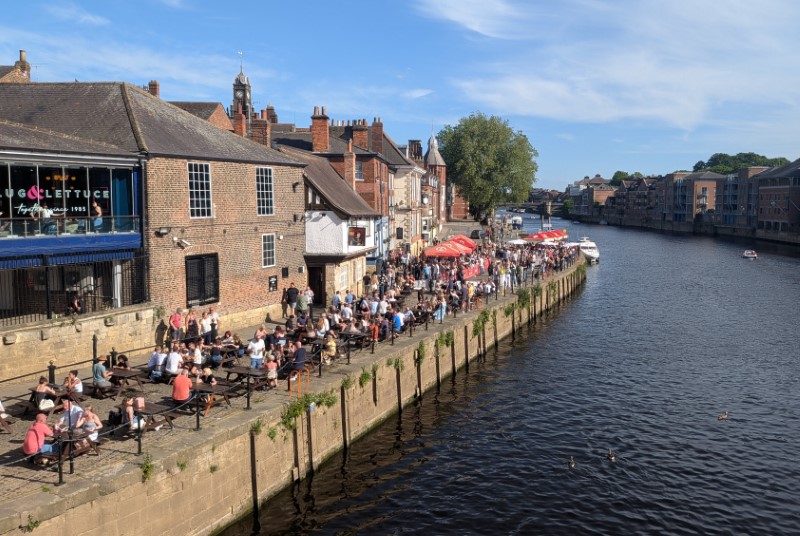
York is the kind of city that stays with people long after they have gone home. It might be the sound of footsteps on the city walls, the smell of chocolate drifting through the streets, or the first glimpse of the Minster between narrow lanes. Visitors often want to take a little piece of that feeling with them.
Not every souvenir needs to be large, expensive, or obvious. Some of the most meaningful mementos are small enough to slip into a coat pocket, pin to a bag, or tuck inside a travel journal. For local makers, visitor attractions, tour guides, schools, and community groups, thoughtful keepsakes can also help tell a York story in a simple and memorable way.
Here are some practical ideas for creating York-inspired souvenirs that feel personal, useful, and connected to the city.
Start With a Story, Not Just a Landmark
York has no shortage of recognisable sights. The Minster, Clifford’s Tower, the Shambles, the bar walls, and the River Ouse all make strong visual references. But a souvenir becomes more interesting when it carries a small story rather than simply showing a famous building.
For example, a design inspired by the city walls could focus on the feeling of walking above the rooftops on a crisp morning. A Shambles-inspired keepsake might lean into crooked timber frames, lanterns, and cobbles rather than trying to copy the whole street. A chocolate-themed item could reflect York’s confectionery history without using a specific brand or wrapper.
The aim is to capture a moment. What do visitors remember most? A ghost walk at dusk, a river cruise in summer, a quiet corner of Museum Gardens, or the view from Lendal Bridge? Starting with these details makes a keepsake feel more rooted in place.
Choose Details That Feel Distinctly York
Small souvenirs work well when the design is clear. That means choosing a few strong details rather than trying to include everything at once.
York offers plenty of small visual cues that people recognise quickly. City gate arches, Roman-inspired patterns, Viking helmets, railway details, stained glass shapes, cats on rooftops, and medieval street signs can all be used in subtle ways.
Colour can help too. Warm stone shades, deep blue, dark green, burgundy, gold, and soft grey all suit York’s historic feel. For something more playful, a ghost tour theme might use black, white, purple, or glow-in-the-dark elements. A springtime Museum Gardens idea could use fresh greens and floral colours.
The most effective designs usually have one clear focus. A tiny Minster window, a stylised cat silhouette, or a simple map line of the walls can be more appealing than a crowded scene.
Think About How Visitors Will Use It
A good keepsake should be easy to take home and easy to use. That is why small items often work so well for visitors who are travelling by train, staying overnight, or exploring the city on foot.
Postcards, bookmarks, magnets, patches, keyrings, and enamel pins are all practical options. Each has a different purpose. A bookmark suits literary trails and museum shops. A patch might appeal to walkers, school groups, or festival visitors. A pin can be added to a jacket, tote bag, camera strap, or lanyard.
For groups making a small run of event badges or keepsakes, myenamelpins.com can be a useful reference point for understanding how simple artwork becomes a finished enamel pin.
The key is to match the item to the experience. A children’s history activity might suit a collectable badge. A food tour could offer a small illustrated card with space for notes. A walking tour might create a pin or token that marks a route completed.
Create Collectable Sets Around York Experiences
One souvenir is nice, but a small set can encourage people to explore more of the city. Collectable items work especially well when they are tied to routes, seasons, or themes.
A city walls collection could include designs for Bootham Bar, Monk Bar, Walmgate Bar, and Micklegate Bar. A York cat trail could feature different cats in different street settings. A heritage set could include Roman, Viking, medieval, Georgian, and railway-inspired designs.
This approach can be useful for local attractions and independent shops too. Rather than producing one general York item, several places could each offer something linked to their own story. Visitors then build a personal collection as they move around the city.
Seasonal sets can also work well. A winter design might include warm lights, mulled drinks, and frosty rooftops. A summer version might show riverboats, gardens, and open-air performances. These do not need to be complicated. A simple change in colour and mood can make a familiar idea feel fresh.
Keep the Design Easy to Understand
When creating a small souvenir, it is tempting to include every detail. But smaller formats need simplicity. If someone cannot understand the design at a glance, it may lose its charm.
A useful test is to shrink the artwork on screen or print it at the size it will actually appear. Can you still tell what it is? Are the main lines clear? Is any text readable? If not, the design may need fewer details.
For York-themed items, silhouettes often work well. The outline of the Minster towers, the curve of a medieval arch, or the shape of a Viking ship can be understood quickly. Short phrases can also help, but they should be easy to read. Something like “York after dark,” “Walk the walls,” or “Meet me by the Minster” can add personality without taking over the design.
It is also worth considering whether the item will make sense to someone who has just arrived in York. A very local reference can be fun, but it may need a little context on the packaging or display card.
Add Context Through Packaging or Notes
The story behind a souvenir often matters as much as the item itself. A small backing card, swing tag, or printed note can explain the inspiration in one or two sentences.
For example, a pin showing a city gate might include a short note about York’s historic bars and how they formed part of the medieval defences. A ghost-themed design could mention the city’s long association with spooky storytelling. A railway design might refer to York’s connection with train travel and engineering.
This context turns a simple object into a reminder of a real place and experience. It also gives visitors something to read later, perhaps on the train home or while adding the item to a memory box.
If the souvenir is for an event, the date can be included carefully. Some people like dated items because they mark a specific trip. Others prefer a design that feels timeless. A good compromise is to include the date on the card rather than the item itself.
Involve Local Voices Where Possible
York has a strong creative community, and souvenirs feel more authentic when local voices are involved. Illustrators, printmakers, photographers, calligraphers, history enthusiasts, and students can all bring a fresh view of the city.
A local artist might notice details that a generic design would miss: a particular shopfront colour, the curve of a snickelway, or the way evening light falls on stone. A guide might suggest stories that visitors ask about again and again. A school or community group might create designs linked to a local project.
Collaboration also helps avoid tired ideas. York’s history is rich, but it can be represented in many different ways, from quiet and elegant to playful and family-friendly.
Make It Feel Like a Memory, Not Clutter
The strongest souvenirs are not just things people buy; they are prompts for memory. They remind someone of a walk, a conversation, a rainy afternoon in a museum, or a meal shared after a long day exploring.
That is why small, thoughtful keepsakes can have more impact than larger items. They are easy to keep, easy to display, and easy to associate with a particular visit.
For anyone creating York-inspired souvenirs, the most helpful question is simple: what feeling should this bring back? If the answer is clear, the design decisions become easier. The colours, shape, wording, and format can all support that memory.
Conclusion
York gives visitors plenty to remember, from grand landmarks to tiny details hidden down side streets. A well-made keepsake does not need to capture the whole city. It only needs to hold one small piece of the experience.
By starting with a story, choosing simple visual details, and thinking about how people will use the item, local groups and attractions can create souvenirs that feel natural and meaningful. Whether it is a bookmark, card, patch, magnet, or pin, the right small object can help someone carry a little bit of York home with them.