If you have walked in the Yorkshire Dales, the Lake District or the North York Moors, you have a good starting point for a trekking holiday in Nepal.
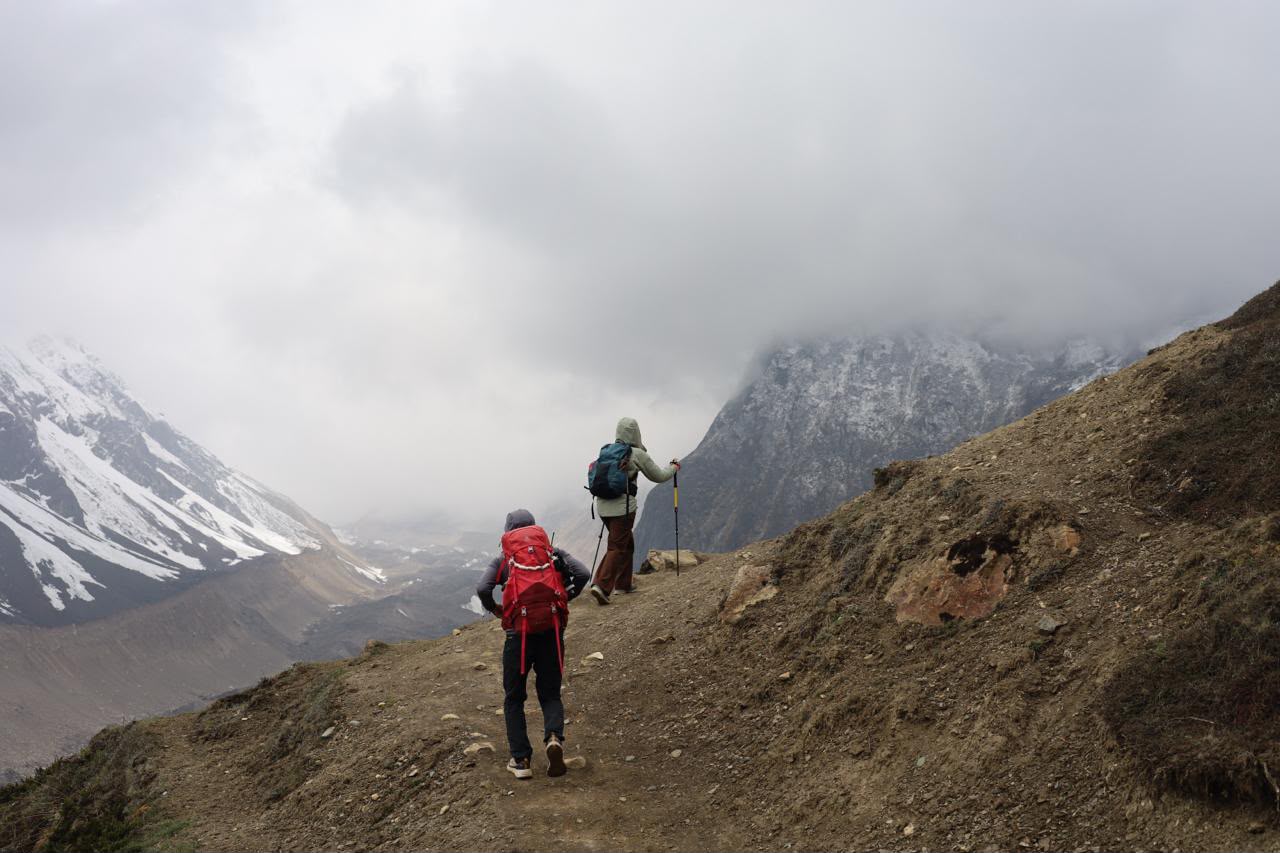
You know how fast the weather can change, the importance of comfortable footwear and how much harder a long descent can be than it appears on the map.
If you have gained confidence on longer walks in the UK, then a trek to Manaslu Circuit may be the next step. The preparation is different, particularly due to the altitude and the length of the days on the trail, but many of the basic skills are the same: pacing yourself, adapting to the weather, and using footwear and clothing that you have already tested.
There is a little more preparation involved in a trek in Nepal. Several days of walking between mountain villages, simple teahouses and heights much higher than most walking routes in the UK.
The great thing is that you don’t have to purchase a brand new set of equipment. Many of the tools you already know and trust can accompany you.The secret is knowing what to take, what to leave at home and how to get everything ready before you go.
Begin with the kit you have!
The easiest thing to do before a trekking holiday is to purchase too much new gear.
If your boots are comfortable and have been used in wet and uneven terrain in the UK, there is little need to buy new walking boots just because you are going to Nepal.
It’s the same with a waterproof jacket, fleece, walking trousers and daypack that you already know works for you.
The important part is testing your equipment before the trek.
Please don’t come to Nepal with new boots or a backpack that you have never walked long distances with.
On a trek to the Himalayas, you will typically require additional gear, including:
● A warm sleeping bag appropriate for the overnight temperature forecast
● A down or synthetic insulated jacket is required.A down or synthetic insulated jacket must be worn.
● Warm base layers
● Trekking poles
● A dependable water purification technique
● Headlamp and extra batteries or rechargeable battery
● Sunglasses and sunscreen
● A warm hat and gloves
This will vary depending on your route, season, altitude and accommodation. It is not the same gear that is needed for a lower altitude hike in warm weather as it is in late autumn.
Pack Layers, Not Too Many Clothes!
One of the most useful tips you can pick up from walking in the UK to trekking in Nepal is the concept of layering.
Don’t have multiple thick jumpers, have a few layers that can be added or removed depending on the temperature.
A practical clothing set up might consist of:
● 2-3 moisture wicking base layers
● A single fleece or light mid-layer.
● One insulated jacket
● One waterproof jacket with cuffs
● Trekking trousers
● Thermal leggings for cooler mornings and evenings
● 4 or 5 pairs of walking socks
● A warm hat
● A sun hat
● Lightweight gloves and warmer gloves
● Buff or neck gaiter
Don’t need to have a different outfit for each day. Most trekkers change a few comfortable clothes during the trek. Some can be washed on the way if facilities and weather permit, but at higher altitudes clothes may take longer to dry.
The goal is to keep warm and dry while minimizing excess weight.
Take Extra Care With Your Footwear
Your feet will be doing all the work on the journey, so it’s important to pay attention to your shoes.
Put on trekking boots or shoes on a few longer walks before you leave. Just walking around your neighborhood isn’t sufficient to determine if your shoes rub or press after a few hours.
Test your walking routes in the UK. Do some longer days of climbing and descending and wear the same socks you will be wearing in Nepal.
A few simple blister care items also should be carried, including blister plasters, regular plasters, and sports tape.
Lightweight trainers or sandals are popular choices for the evening for many trekkers.
The opportunity to change into more comfortable shoes at the teahouse can be a welcome respite after a long day of walking in sturdy boots.
Warmth Matters More as You Gain Elevation
The temperature may vary considerably with height. It may be a sunny afternoon in a lower mountain village, and an early morning at a higher settlement. That is why it’s important to have a warm, insulated jacket and a proper sleeping bag, even if the day time is mild.
Avoid relying on blankets that are offered at teahouses. They can be of good quality and warm, or poor quality and cold, particularly at higher altitudes.
When planning your hike, consult the forecast for the weather conditions you are likely to encounter on your route and in your season. Ensure sleeping bags and clothing are suitable for those conditions.
Think Carefully About Water
Staying hydrated is a crucial aspect of long-distance travel. Bring sufficient water for each walking day and bring a dependable way to treat additional water if needed. This may be purification tablets, a water filter or another appropriate system.
Use reusable bottles or a hydration bladder to help cut down on single-use plastic bottles. Also, keep in mind that you may not feel thirsty as quickly in cold weather.
It is better to drink regularly throughout the day instead of waiting until you feel thirsty.
The Small Things That Are Easy to Forget
The best things to have in your trekking bag are often the ones you don’t think of.
Consider including:
● A headlamp
● A power bank
● Charging cables and appropriate adapter
● Hand sanitiser
● Wet wipes
● A small personal first aid kit
● Blister plasters
● Reusable water bottles
● Sunglasses
● Apply sunscreen and sun protection lip balm.
● Earplugs
● A small towel
● Tissues or toilet paper
● Snacks you enjoy
● Some Nepali rupees in cash
● Copies or digital backups of important travel documents
Charging facilities might be restricted in mountain villages and may charge an additional fee in certain locations.
A power bank can come in very handy.
Even if you plan to arrive at your accommodation before nightfall, it is useful to bring a headlamp. The last part of the day may be longer than expected due to delays, slow walking groups or changes in weather.
Ear plugs are also surprisingly useful when sharing a teahouse with other trekkers who may have different sleeping patterns.
What to pack in your daypack?
When using a porter, the main luggage will usually be carried separately throughout the day. So your daypack should contain anything you may need when you are walking.
This usually includes:
● Water
● Snacks
● A waterproof jacket
● A warm layer or down jacket
● Sunscreen
● Sunglasses
● Phone or camera
● Small first-aid supplies
● Personal medication
● Headlamp
Keep frequently used items in an easily accessible place. You should be able to take out your waterproof jacket or extra layer without having to unpack your whole bag.
What is the ideal weight of your trekking bag?
No one size fits all weight for every trekker. This will vary according to the route, the distance of the hike, porter arrangements and individual requirements.
With a porter, you will typically only take what you need for the day, and your main luggage will be carried between overnight stops.
Nonetheless, it is easier to travel when you have a manageable amount of luggage.
When you are packing, put everything out and consider each item carefully before packing it.
Ask yourself: Do I need to use this?
If there is something in your bag just in case, ask yourself if it is necessary for your route and season.
It is also important to find out what luggage allowance is offered by your trekking company before packing. The limits may vary depending on the operator and the itinerary.
Prepare for More Than Just Walking
A trekking holiday in Nepal is more than just walking. You can expect to be away from larger towns for several days, in basic accommodation, eating simple meals, and with limited access to hot showers or charging facilities.
These are all normal experiences but can be very different to a weekend walk in the UK.
Another important factor is altitude. If you are physically fit and accustomed to walking long distances at home, your body will still require time to adapt to the higher altitudes.
Planning for a trek in the Himalayas is not just about getting the right equipment. Before the trip, it is important to slowly build up the distance walked. Walking on hills and down slopes should be part of your training and you should use these practice walks to test your boots, socks, backpack and clothing.
Where Can You Put Your Walking Experience to Use?
The choice of a Shorter Himalayan Trek is a difficult one to make.
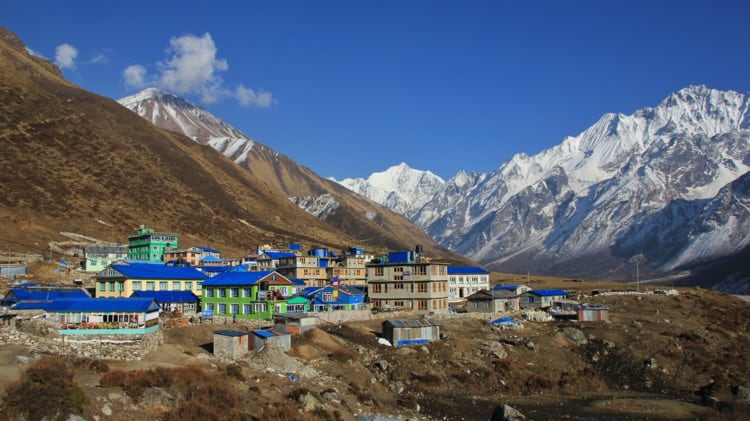
Not all people can afford a two week or longer trip to the Himalayas. If you are looking for a trekking experience in Nepal but want to go on a shorter trek, then a Langtang Valley trek might be a good choice.
This trek is from lower forest to high Himalayan terrain of Langtang. There will be long walking days, mountain villages, changing weather and rising altitude, but the basic preparation required is the same.
The most difficult part of the hike for a person from the UK hills is not so much the physical challenge as it is getting used to hiking for several days in a row and letting your body acclimatize to the higher elevations.
If you have limited time, you can also try a shorter trek to see what you like about Himalayan trekking before going for a longer trip.
Think About What You Will Actually Use
When packing for a big trip, it’s easy to pack a bag with all of your outdoor gear.
The best packing list is actually the one that doesn’t include any unnecessary items.
You should have a waterproof jacket that is dependable. Your boots should be comfortable.Your warm layers should be appropriate for the conditions you expect. In addition, most of your decisions should be made based on the route and season you are going to be traveling in.
Look at the weather forecast and conditions before leaving, but remember mountain weather can change quickly. Plan for the variability of conditions you may encounter, not just one forecast.
A simple packing philosophy.
You don’t have to carry all of your belongings to Nepal.
Start with the equipment you already know. Try out boots and clothes before you leave on longer walks.Include items that will be needed in colder weather, at higher elevations and for several days on the trail.
Most importantly, pack for the particular trek you are going on. Equipment for a warm-weather valley trek will be quite different from that needed for an autumn high-altitude route or a winter trek.
A well-prepared packing list should make your journey a more pleasant one, rather than an extra weight to carry.
If you can see your bag before you leave and know why each item is in there, you’re probably on the right track.